Første gruppe studenter ved Kibaha yrkesskole

I januar 2014 fikk fire av de eldste medlemmene i Orpan Education Foundation (OEF) – Bosco, Happy, Mary og Prisca – muligheten til å fortsette sin utdannelse utenfor Mgeta, etter å ha fullført ungdomskolen. Nå er de godt i gang med deres andre år ved Kibaha yrkesskole. Dette er på ingen måte noe som skjer ofte for ungdom i Mgeta, det er heller et resultat av felles innsats fra flere hold.

Først, mottok vi den gavmilde donasjonen for å dekke skolepenger, og så ble tid brukt til å lete etter en skole og kursing som ville passe ungdommene. Et godt forhold til skole administrasjonen var også viktig for oss å etablere, slik kunne vi sikre at de ville hjelpe ungdommene å tilpasse seg det nye miljøet. Men ikke minst så tok det en enorm innsats fra ungdommene selv. For det første så er det faktum at de har fullført ungdomskolen (det høyeste nivået tilgjengelig i Mgeta) en bragd i seg selv, og uheldigvis er det fåtallet av ungdom som klarer dette.

Jeg husker fortsatt den store skuffelsen deres da de fikk vite at alle hadde strøket på inntakseksamen til den første skolen de søkte på, og hvordan mange av dem tenkte at der brast deres eneste mulighet for videre studier. Men de holdt håpet oppe og fortsatte å prøve. Da de søkte til Kibaha yrkesskole gikk det deres vei og de ble tatt opp.

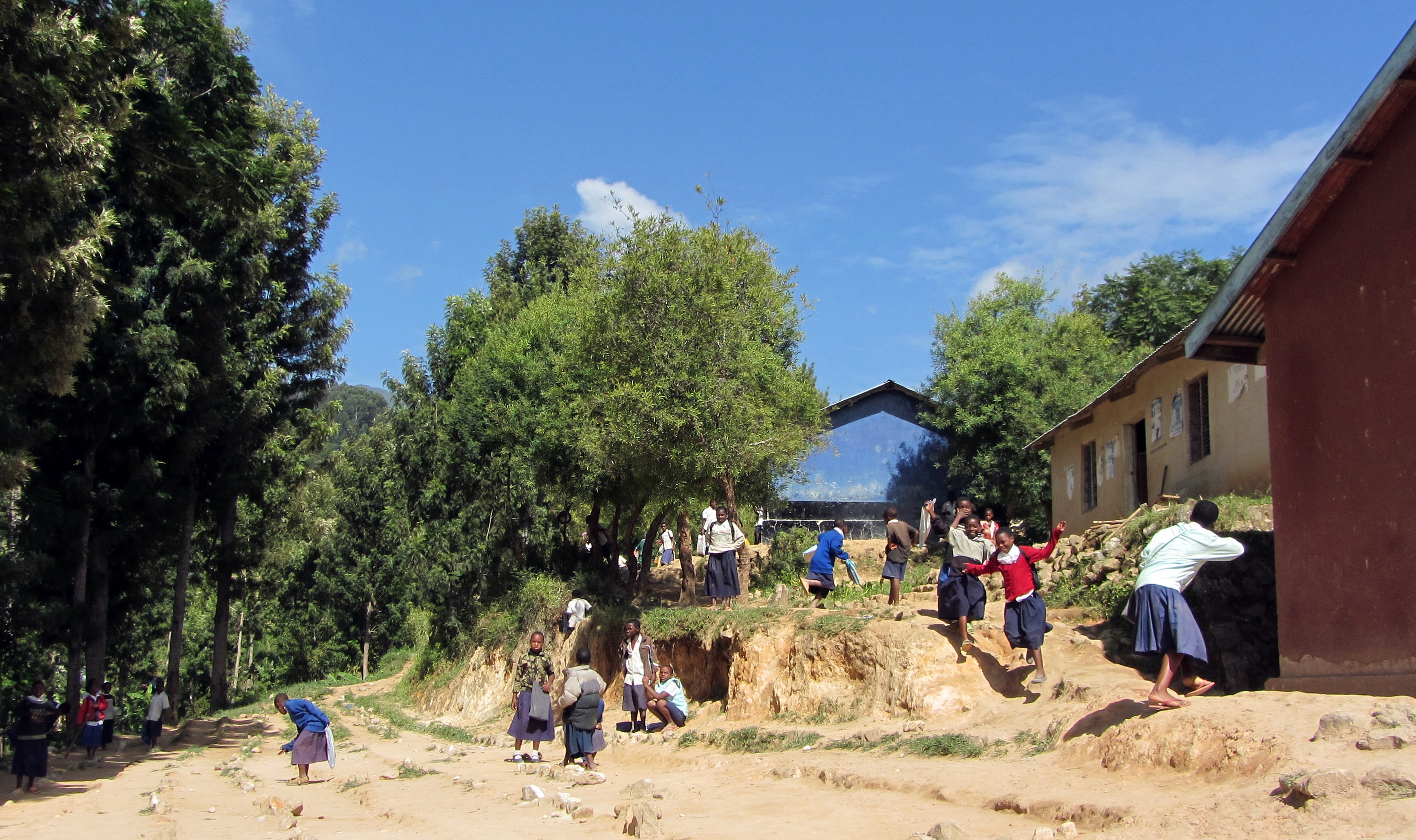
School in Mgeta

Skole i Mgeta

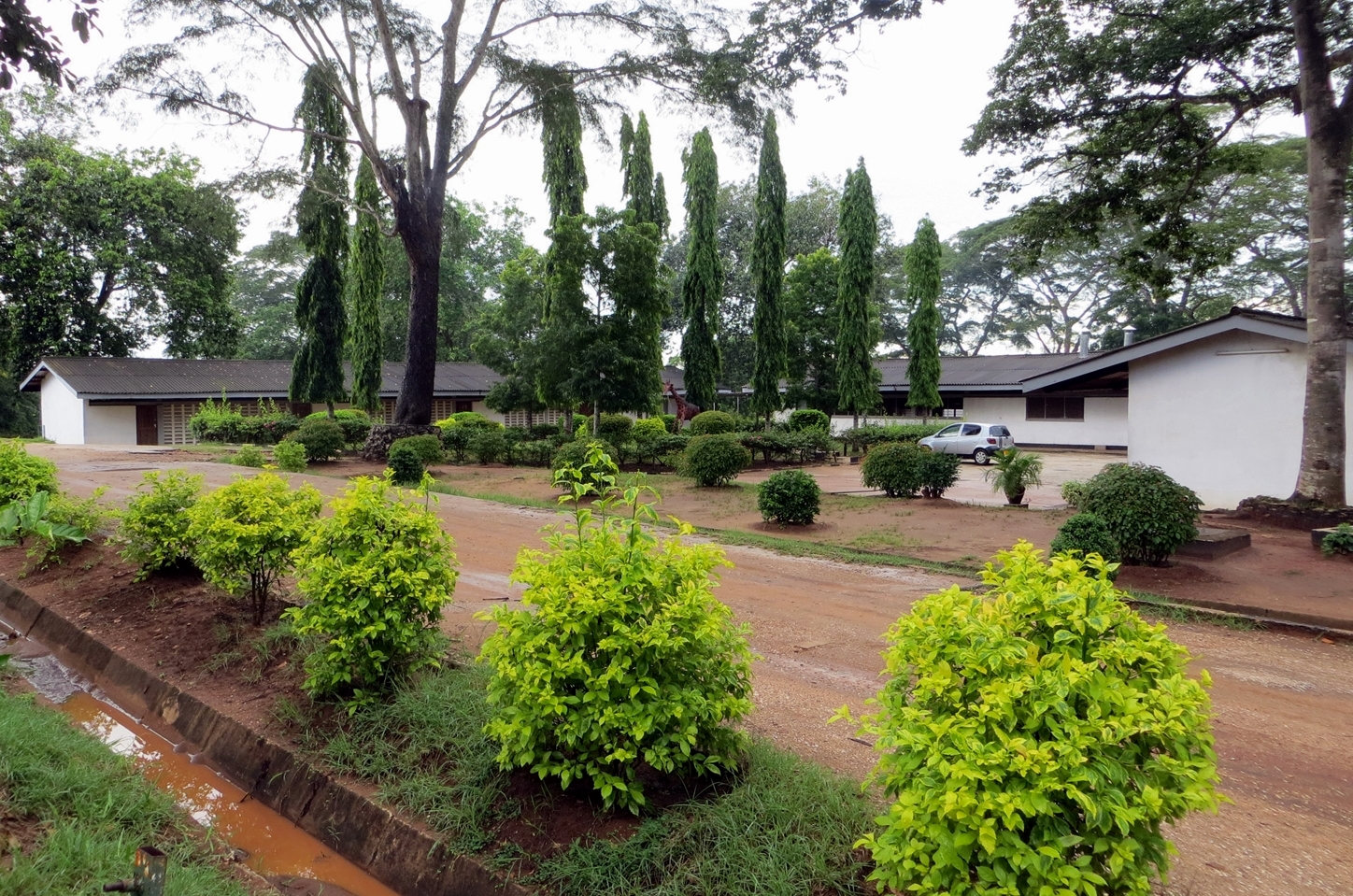
Kibaha school

Kibaha yrkes skole

Å forlate Mgeta og alt de holder kjært må ha vært skummelt for dem. Da jeg besøkte dem på skolen fortalte de meg at starten hadde vært vanskelig, spesielt siden de fleste studentene på skolen holdt seg i grupper hvor de kunne snakke sine egne lokale språk. Men nå kjenner de fleste hverandre og kommer godt overens. De fire studentene fra Mgeta har også blitt veldig næreog de har blitt viktige støttespillere for hverandre.

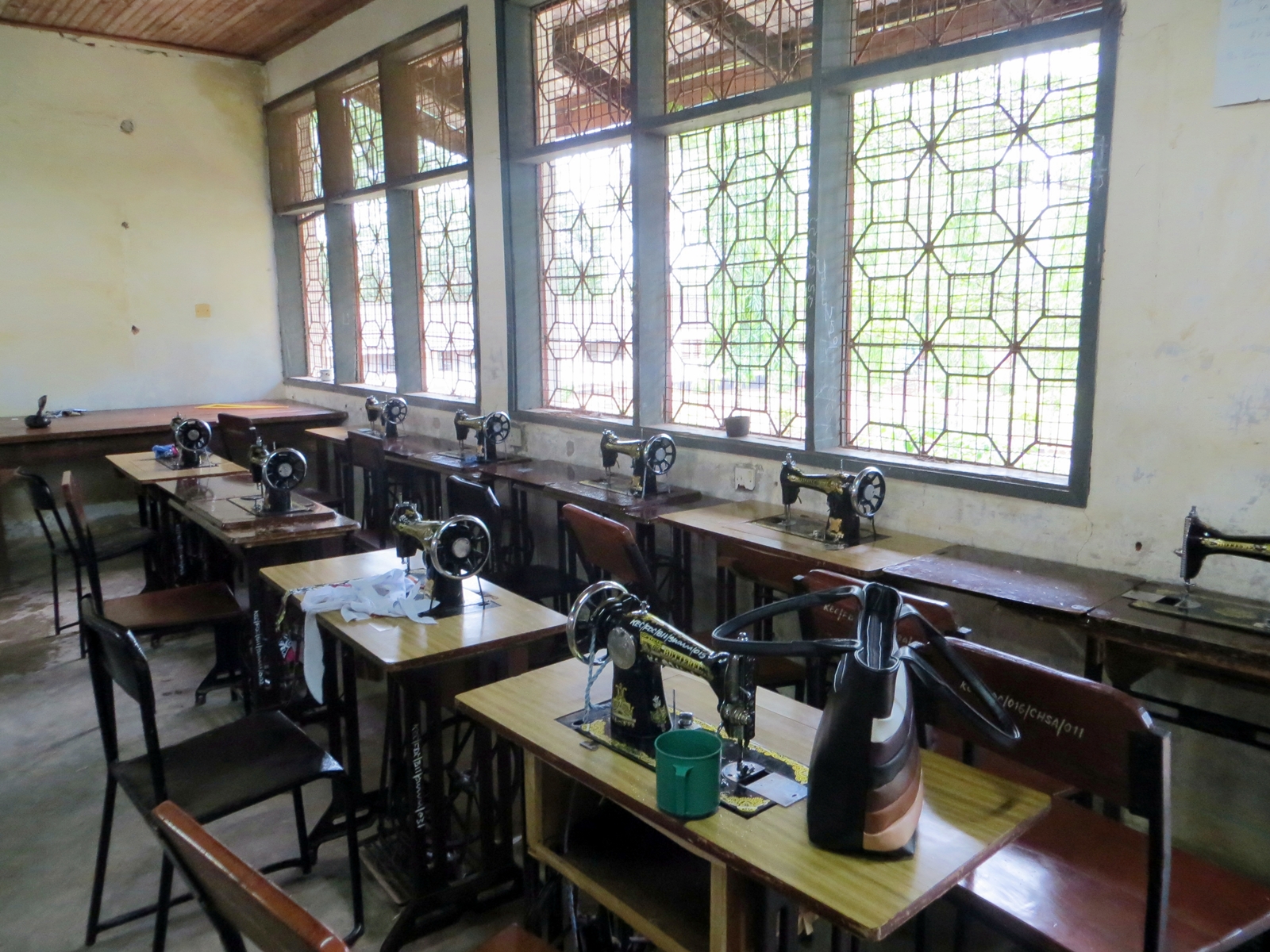
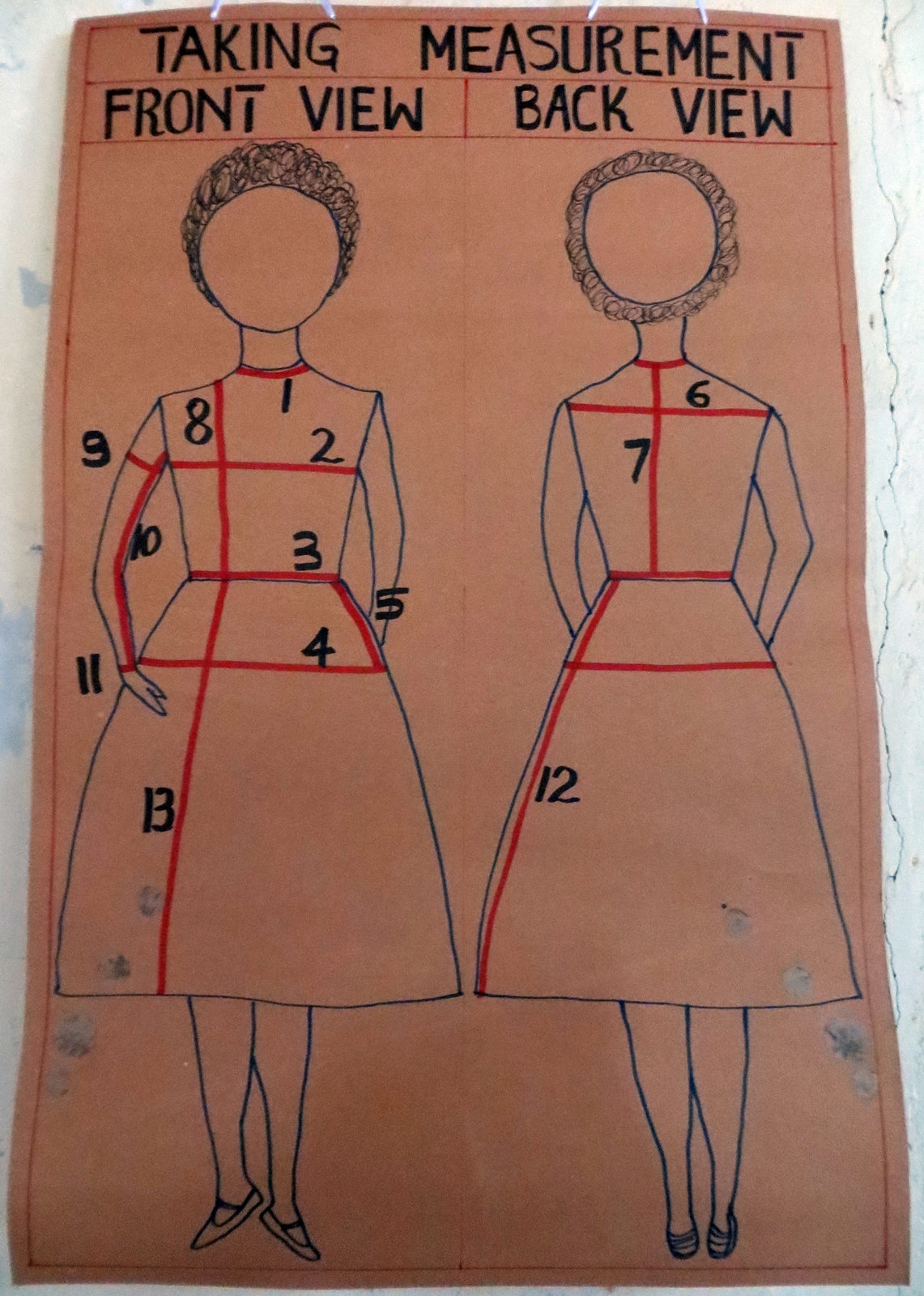
Bosco og Prisca studerer jordbruk og husdyrfag mens Happy og Mary studerer skreddersøm og design. Når vi snakker med lærerne deres får vi gledelig høre at alle klarer seg fint på skolen og ser ut til å tilpasse seg bra. Dette er ungdommene selv også enig i. Men de er ærlig og innrømmer at det til tider er vanskelig. Da er de flinke til å motivere hverandre til å fortsette. Hovedfokuset til skolen er praktisk læring, så mye av dagene tilbringer de i sy-rommet og ute i åkeren. Vi mener også detter er en ypperlig måte å lære på.

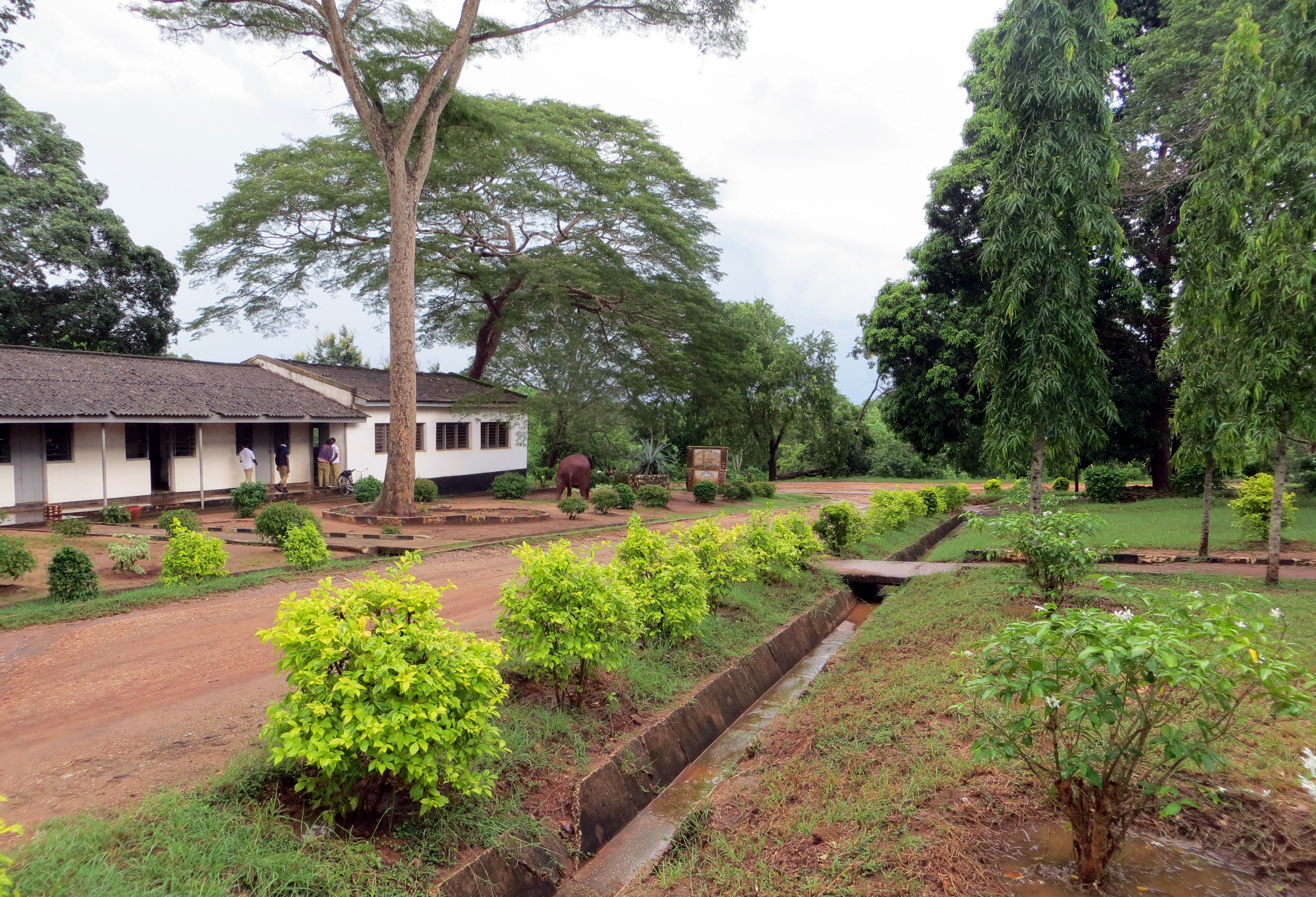
Kibaha school grounds

Kibaha skole område

Vi har allerede begynt å se godene fra deres erfaringer. Under skoleferien deres hjemme i Mgeta i jula observerte vi hvor lysten og velvillig de var til å lære videre det de selv har lært. Happy og Mary var kjapt ute til å prøve symaskinene til sygruppen i Mgeta, og vi håper dette er en gruppe de kan bli medlem av etter at studiene deres er ferdig. Også Bosco og Prisca sitter nå med mye verdifull informasjon som kan komme til nytte både i deres egne liv og livene deres naboer og bekjente.

Vi kan også gledelig meddele at en ny runde med ungdommer fra Mgeta har nå startet deres studier ved Kibaha. Med støtte på rundt 5000 kr per elev i året sikrer at fire ungdommer får studere i to år, og vårt håp er at hvert år vil vi ha mulighet til å sende en ny gruppe. Dette avhenger av gavmildhet og støtte fra venner og interesserte. Ønsker du å være med å støtte dette arbeidet så gå gjerne til «Ønsker du å bidra?» og les mer om det nyetablerte utdanningsfondet og hvordan du kan bidra.

Publisert i Utdanningsfondet | Legg igjen en kommentar

The first group of students at Kibaha vocational college

In January 2014 four of the oldest Orphan Education Foundation (OEF) members in Mgeta – Bosco, Happy, Mary and Prisca – , got the opportunity to continue with their education outside of Mgeta, after completing secondary school. Now they are happily in their second and final year at Kibaha vocational school. This is in no way something which happens often for young people in Mgeta, and it is the result of a joint effort by many people.

First, the generous donation to cover school fees was given, and then time was spent searching for a suitable school and relevant courses. A good relationship with the school management was also sought to make sure they would help the students adapt to the new environment. But not least, it took a huge effort from the four students themselves. First and foremost completing Form 4 (the final level of secondary school available in Mgeta) is an achievement in its own right, and unfortunately many students do not manage that. I also remember how devastated they were after failing the entrance exam for the first vocational school they applied to, thinking their opportunity of further education had passed. Yet they didn’t give up and when they applied to Kibaha vocational college they got in.

School in Mgeta

School in Mgeta

Kibaha vocational school

Kibaha school

Leaving Mgeta and everyone they know must have been quite daunting. When I visited the school they told me the beginning had been difficult, especially since students at the school tended to group together and speak their local languages. Now though they all know each other and get on well. The four of them have also grown quite close, finding extra support in each other.

Bosco and Prisca are studying Animal husbandry and agriculture while Happy and Mary are studying Tailoring and design. Speaking to their teachers we are happy to hear they are performing well and seem to be fitting in nicely at the school. The students themselves echo this. Although they are honest and say at times it is difficult, they seem to motivate each other to keep trying. A main focus of the school is on practical learning so much of their days are spent in the sewing room and out in the agricultural fields which is a great way for them to learn.

Kibaha school grounds

Kibaha school grounds

Already we have witnessed the benefits from their experience so far. During their school vacations when they are back in Mgeta they are eager to show and teach others what they have learnt. Happy and Mary have already tried the sewing machines from the sewing group in Mgeta, and we hope they will be able to join the group when they finish their studies. Also Bosco and Prisca now have much valuable information which can benefit both their own lives and the lives of fellow Mgeta residents.

We area also happy to announce that in January 2015 four more OEF members from Mgeta were able to start their two-year vocational education at Kibaha. With additional support of 5.000 NOK per year per student we could make sure four new students had the ability, and our aim is that we will be able to send a new group each year. This, though, all depends on the generosity of friends and donors. If you want to contribute to this work please go to («Ønser du å bidra») and read more about the recently established Education fund and how you can contribute.

Publisert i Utdanningsfondet | Legg igjen en kommentar

Nytt utdanningsfond i Mgeta

En geit kan forandre et liv. Den gir melk og gjødsel, slik blir livskvalitet forbedret. For noen gir den også et økonomisk overskudd som kan dekke skolepenger. Like viktig er det at Mgeta Orphan Education Foundation gir fellesskap og læring. Mange av de unge som tilhører organisasjonen gjør en formidabel innsats med å undervise om geitehold og andre relaterte temaer på de lokale skolene, de hjelper til med å bygge geitefjøs og de underviser bønder i sitt nærområde i tillegg til at de skjøtter sine egne små jordteiger og geiter. De er til stor inspirasjon for gamle og unge. Flere av de foreldreløse klarer nå å fullføre ungdomsskolen. Men selv så hardt som de arbeider er det så å si umulig å klare å finansiere skolegang utover ungdomsskolen.

Takket være giverpenger er de fire første ungdommene ferdige på Kibaha, en yrkesskole nær Dar-es-Salaam. Måten de bruker sine nyervervede kunnskaper i Mgeta er forbilledlig og bidrar blant til å utvide landbrukskunnskapene i området. Derfor ønsker vi å sette opp et utdanningsfond slik at flere unge kan få mulighet til å få utdanning utover ungdomsskolen.

Utdanning er kostbart i Tanzania. To års yrkesutdanning koster 1250 USD eller 10.000 NOK for en student. Dette beløpet dekker skolepenger, husvære, mat, bøker og noen små nødvendigheter som for eksempel såpe. Utdanningsfondet støtter også ungdom som ønsker å forbedre sin ungdomsskoleeksamen slik at de kan komme seg videre i skolesystemet. Dette koster mindre. Alle bidrag er velkomne!

Bosco

Prisca Sewing room Measuring in sewing Kibaha education centre

Publisert i Utdanningsfondet | Legg igjen en kommentar

New Education Fund in Mgeta

A goat can change a life. It provides milk and manure and thus enhances the nutrition and livelihood. For some it even provides money for school fees. As important, the Orphan Education Foundation offers a community for co-operative learning and friendship. Many of the young students in the foundation puts in remarkable efforts in teaching school children, helping to build goat-sheds in the schools in the area, teaching farmers in their communities, inspiring young and old, besides keeping their own goats and land. In addition some of the orphans manage to pass Form 4 at Secondary School. As hard as they work, getting enough money for education exceeding form 4 is almost impossible. The first four students are now attending their second and last year at Kibaha, a vocational college close to Dar-es-Salaam, thanks to donor-money. How they use their newly achieved skills and knowledge in their community is exemplary and expands the body of agricultural knowledge in the area. Therefore, we want to set up a fund, so that more young people from Mgeta can get education beyond form 4.

Two years of vocational training for one student costs 1250 USD or 10.000 NOK. This includes school-fee, boarding, books, food, 4 return bus tickets Mgeta-Kibaha, and little necessities such as soap. All contributions are welcome!Prisca

Bosco Kibaha education centre Measuring in sewing  Sewing room

Publisert i Utdanningsfondet | Legg igjen en kommentar

Research in Mgeta

For more than 20 years Sokoine University of Agriculture (SUA) and Norwegian University of Life Sciences (NMBU) have cooperated in agricultural and environmental oriented research programs aimed at improving livelihoods in rural Tanzania. Norwegian Agency for Development Cooperation (NORAD) funds the programs. Below, we present ongoing and recent research-projects connected to community development, education, school feeding and the Orphan Education Foundation in Mgeta.

NBU campus

Norwegian University of Life Sciences (NMBU)

Goats and Research – CD-GOAL

Sigrid Gjøtterud (ass. Professor NMBU, Institute for Science and Technology, section for learning and teacher education)

Erling Krogh (ass. Professor NMBU, Institute for Science and Technology, section for learning and teacher education)

Cecilie Dyngeland (research assistant NMBU, NORAGRIC)

Solomon Nicholaus (manager of Orphan Education Foundation and research assistant)

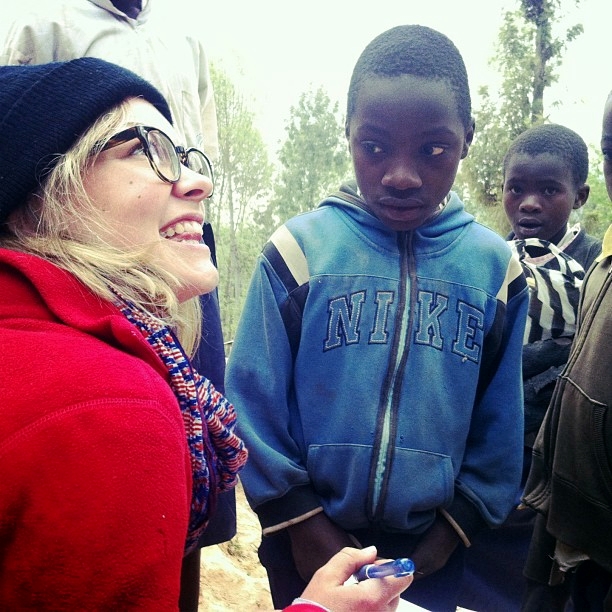
Cecilie chatting with OEF members

Cecilie chatting with OEF members

An action research project was established in 2013 in order to document the development of the Orphan Education Foundation (OEF), how the orphaned students learn and develop together and how they contribute to the development of their communities.

We called it the CD-GOAL project (Community Development – Goats for Orphans and Action Learning).

A small fund from NMBU, along with funding from EPINAV[1] made it possible to establish a co-operative action research project, in collaboration between researchers from NMBU (Erling Krogh, Sigrid Gjøtterud, Cecilie Dyngeland), manager of OEF Solomon Nicholaus and young students from Mgeta. This small project is connected to a number of other research-projects in the past and present.

Linking schools and communities

Ahmad, Athman Kyaruzi PhD-student (NMBU/SUA), agriculture extension education

Ahmad conducted a PhD-project connected to a Strategic intervention programme under EPINAV: Enhancing Institutional Collaboration for Developing Learning Strategies and Up scaling Agricultural best Practices: using Agricultural Experiences as a Pedagogical Resource in Tanzanian primary schools. His project ran from 2011 – 2014: “Exploring Transformative Potential of action research in linking schools and communities: the use of farms as a pedagogical resource in Tanzania”.

Ahmad, Sigrid and Erling discussing the project with OEF member Bosco (second to left)

Ahmad, Sigrid and Erling discussing the project with OEF member Bosco (second to left)

The study was located in Nyandira in the Uluguru Mountains. In Tanzania in 2009, less than 50% of the pupils carried on to secondary education, and the failure rate at ordinary secondary education exams was 49.2% (Mlyakado, 2012). The number of teachers allocated to the rural areas are low. Pupils are hungry, and the teaching is largely aimed at national exams, mainly applying chalk-and-talk methods.

Although agriculture still employs 80 % of Tanzanians, teaching is rarely connected to agricultural activities. Ahmad’s project seeked to bring forth an example of how teaching can be linked with the community activities and thus become more relevant for the learners. One article from this project is published: http://ersc.nmmu.ac.za/view_edition.php?v=3&n=1, and two are under way.

Teaching and school feeding strategies

Linn Jaeckle; M.Sc. Student in International Development Studies (Noragric NMBU)

Linn chatting with Mgeta school children

Linn chatting with Mgeta school children

The research was enabled by a research associate ship between Linn Jaeckle (Noragric, NMB) and SUA. The research is linked and funded by the NMBU/SUA collaborative EPINAV programme under the strategic intervention: Enhancing Institutional Collaboration for Developing Learning Strategies and Up scaling Agricultural best Practices: using Agricultural Experiences as a Pedagogical Resource in Tanzanian primary schools.

The name of her thesis is: “Food for Education” – Case study of school farming and school feeding activities at a rural primary school.

Linn´s research looks atthe teaching and school feeding strategies of the primary school in Kibuko. Kibuko is a remote rural village located in Mgeta in the Uluguru Mountains. The primary school keeps a school farm and successfully prepares lunch for the school two times a week.

The primary objectives of the research was to learn about the actual situation of a hunger and poverty struck primary school in rural remote Tanzanian; to collect local knowledge and coping strategies by understanding and documenting the school farm and cooking activities of the primary school Kibuko. Further, the aim was to assess the impact the school farming and school feeding progamme has on the education outcome of the primary school students, and on the community development of Kibuko.

Action research was used as method to collect and discuss the data with the people of Kibuko.

Improvement of smallholder dairy goat farmers’ livelihood

Helene Lie, PhD candidate at Department of International Environment and Development (Noragric), NMBU

Helene is working with SUA on the EPINAV project “Up scaling of pro-poor innovative dairy goat technologies for improved livelihood security and human capacity in selected highland areas”. The focus for her PhD is value chain analysis with the goal to improve smallholder dairy goat farmers’ livelihood through improved market access for goat yogurt.

Helene and OEF manager Solomon hard at work

Helene and OEF manager Solomon hard at work

One market that is explored is supplying two local primary schools with drinking yogurt through a school milk programme with the goal of improving children`s health and school attendance, while at the same time offer a stable and predictable market for the local dairy goat association. One article was published in 2012 with a complimentary introduction video: http://www.ifama.org/i4a/pages/index.cfm?pageID=3363.

[1] http://www.nmbu.no/en/about-nmbu/faculties/samvit/departments/noragric/institutional_coop/epinav

Publisert i Forskning | Legg igjen en kommentar

På besøk til geiteprosjektet på Lukunguni barneskole

IMG_7826

Det store og fine geitehuset

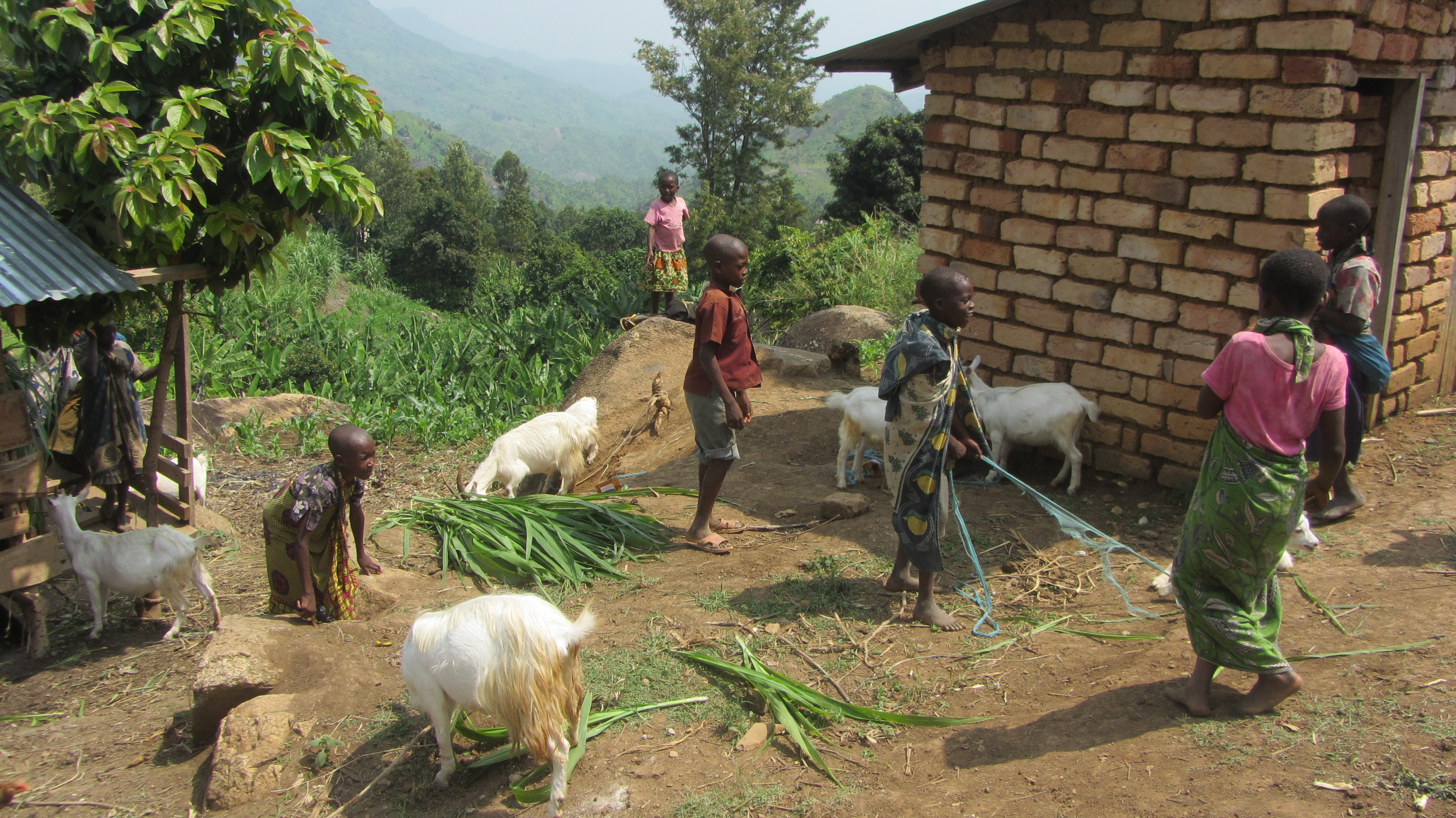
Det er alltid hyggelig å besøke Lukunguni. Ikke bare ligger det vakkert til dypt inne i fjellene, men menneskene vi møter der er fantastiske og hardtarbeidende. Skolen har bygget det største og beste geitefjøset jeg har sett i Mgeta, med rom for ca. 20 geiter, og klar for en voksende geiteflokk. I mars i fjor fikk skolen 11 geiter, og allerede har flokken økt til 16 stykker. De siste nykommerne var tvillinger født bare dagen før vårt besøk. Men dessverre har de også opplevd at noen av geitene deres har dødd.

Tvillingene som ble født dagen før besøket. Hviledag for moren.

Tvillingene som ble født dagen før besøket. Hviledag for moren.

Det er skolebarna som er ansvarlige for geitene, men med støtte fra de tre lærerne på skolen. Når geitene er ferdig på beite om ettermiddagen drar de ukes-utvalgte studentene å henter dem og samtidig samler ekstra gress som geitene kan kose seg med før natten faller på. Denne uken var det en jente gruppe sin tur til å hente geitene. De sang, lo, og tullet da de kom tilbake med geitene fra beite, og de visste akkurat hva de skulle gjøre. Alle geitene kom trygt tilbake til skolen, men det er absolutt utfordrende noen ganger når geita er stor og jenta liten og det ender opp i en kamp om hvem som er sterkest og staest. Det kan variere hvem som vinner duellen, men alle geitene og jentene kom tilbake i god behold og har det bra.

Geitene kommer tilbake fra beite og barna har med ekstra mat til dem

Geitene kommer tilbake fra beite og barna har med ekstra mat til dem

I juleferien ble skolebarna delt inn I 5 grupper på ca. 45 elever som fikk tildelt en uke hver hvor de er ansvarlig for geitene. Den tildelte uken kommer gruppen om morgningen for å melke geitene, gi dem mat og rengjøre fjøset. Om ettermiddagen kommer de igjen tilbake for å mate geitene. Dette systemet fungerer veldig bra og ca. 40 barn kom hver gang. Melken de fikk fra geitene i skoleferien, da barna ikke trengte den, ble solgt til naboer og pengene ble brukt til nødvendig skolemateriell og ekstra mat til geitene.

Barna organiserer alt på en god måte

Barna organiserer alt på en god måte

Nå som skolen har begynt igjen lager de mais- og bønnegryte med råvarer fra deres egen matproduksjon. De lager også maisgrøt som de tilsetter melk for å bedre næringsverdien. Rektoren på skolen, sammen med de andre lærerne, snakker mye og energisk om geitene og maten de dyrker på skolen. Vi er alle enige i at å spise i løpet av skoledagen er kritisk for å lære. Spesielt viktig er det når barna må gå langt til skolen og det varierer hvor mye mat de får hjemme, og få tar med mat på skolen. Hvis elevene ikke spiser i løpet av skoledagen, gir timene etter lunsj liten utbytte og barna lærer lite. Noen dukker ikke opp engang fordi de er slitne. Oppmøte forbedres mye når lunsj serveres på skolen og barna har lettere for å lære. Lukunguni barneskole har et veldig slitt kjøkken og det neste prosjektet deres er å pusse det opp. Vi støtter dem i denne prosessen siden det er viktig å lage mat i et bra og trygt kjøkken, og vi føler det vil ytterligere forbedre skolehverdagen til barna.

Publisert i Geiter, barn og ungdom | Legg igjen en kommentar

Visiting the goat project at Lukunguni primary school

IMG_7826

The big and nice goat shed

It is always nice to visit Lukunguni. Not only is it very beautifully located deep into the mountains, but the people we meet there are wonderful and hard working. The school has built the best and biggest goat shed I have seen in Mgeta. With room for about 20 goats it is well prepared for a growing goat-herd. The school received 11 goats to begin with in March last year, and they have already added five more, now totaling 16 goats. The latest newcomers were twins, born just the day before our visit. Unfortunately, though, they have also experienced deaths, and two kids did not survive.

Twins born yesterday. Resting day for the mom.

Twins born yesterday. Resting day for the mom.

The children are fully in charge of the goats, but receive support from three teachers at school. When the goats finish grazing in the afternoon the weekly selected team of children gather the goats and extra fodder that the goats can enjoy in their shed before the night falls. This week it was the girls’ time to pick the goats. They were singing, laughing and joking when they returned from the field with the goats, and the girls knew exactly what to do. All the goats returned safely to the school, but it sure can be challenging sometimes. When the goat is big and the girl is small it can end up in a fight of who is the strongest and most stubborn, and the who wins the fight can vary. But in the end all goats got food and all children were unharmed.

Bringing goats and fodder back from the field

Bringing goats and fodder back from the field

During the Christmas holiday, the school children were divided into five teams of about 45 children, with the groups having the responsibility of the goats one week each. During their week, in the mornings they have to milk them, give them food and clean the shed. In the afternoon, they have to come back again to feed them. This has worked out very well with about 40 children showing up each time. The milk they received from the goats during the holiday, when no milk was needed for the children, was sold to neighbors and the money was used to buy much needed stationary for the school and extra fodder for the goats.

IMG_7897Now that the school have started again they will make maize and beans or porridge from their own harvest, and add milk to the food to increase the nutritional value. The head teacher, together with the other teachers at school talk much and eagerly about the goats and the food they grow at school. We all agree that eating during the school day is critical to learn. Especially here when children walk far to come to school and it varies how much food they get at home, and few children bring food to school. If students do not eat during the school day, the classes after mid-day have very little learning value, and several do not even bother to show up. This happens much less when lunch is served at school, and the children learn much more. Lukunguni Primary school has a very torn down kitchen and their next project is to renovate it. We will support in this process since it is important to cook in a good and safe environment, and we feel this will further improve the overall school experience of the children.

Feil
Denne videoen finnes ikke
Publisert i Geiter, barn og ungdom | Legg igjen en kommentar

Årsmelding for spiren til Mgetas venner 2014

Vi ønsker alle våre støttespillere godt nyttår!

Det har vært nok et spennende år i Mgeta. Vi har fortsatt med skoleyoghurtprogrammet på Nyandira barneskole samt startet opp på Tchenzema barneskole etter deres etterspørsel om å få delta.

Prøvesmaking på Tchenzema barneskole

Prøvesmaking på Tchenzema barneskole

Deltakelsen er fortsatt lav i Nyandira, men i Tchenzema går programmet bedre med ivrige organisatorer blant lærere, skolestyret og landsbyledelsen. Målet i 2015 er å fortsette å øke deltakelsen betraktelig. Vi vil evaluere hva vi kan gjøre for å forbedre programmet på Nyandira barneskole spesielt. Dette er noe vi har jobbet med gjennom hele året, men vi har enda ikke kommet dit vi ønsker.

Den vakre utsikten til Lukunguni

Den vakre utsikten til Lukunguni

Skolegeitprosjektet på Kibuko barneskole går bra som alltids. På vårparten støttet vi også Lukunguni barneskole med geiter etter søknad fra deres rektor. De har mottatt 10 geiter og har lært mye om geitehold i løpet av året. Flere geiter har allerede fått killinger så det virker som geitene trives i den vakre landsbyen langt inne i Ulugurufjellene.

Rett før jul fikk en ny runde med ungdommer geiter, denne gangen i Bunduki landsby. Ungdommene som har mottatt geiter tidligere ledet arbeidet, noe som viser at de har lært mye av samholdet dem i mellom og gjerne vil videreføre det til andre. Disse medlemmene jobber tett sammen og har månedlige møter hvor de treffes for å lære av hverandres erfaringer. Noen prøver seg også på små forretningsvirksomheter ved hjelp av små lån som vi gir ut i et nytt test-prosjekt om mikro-finans. En ungdom har for eksempel begynt med kylling oppdrett.

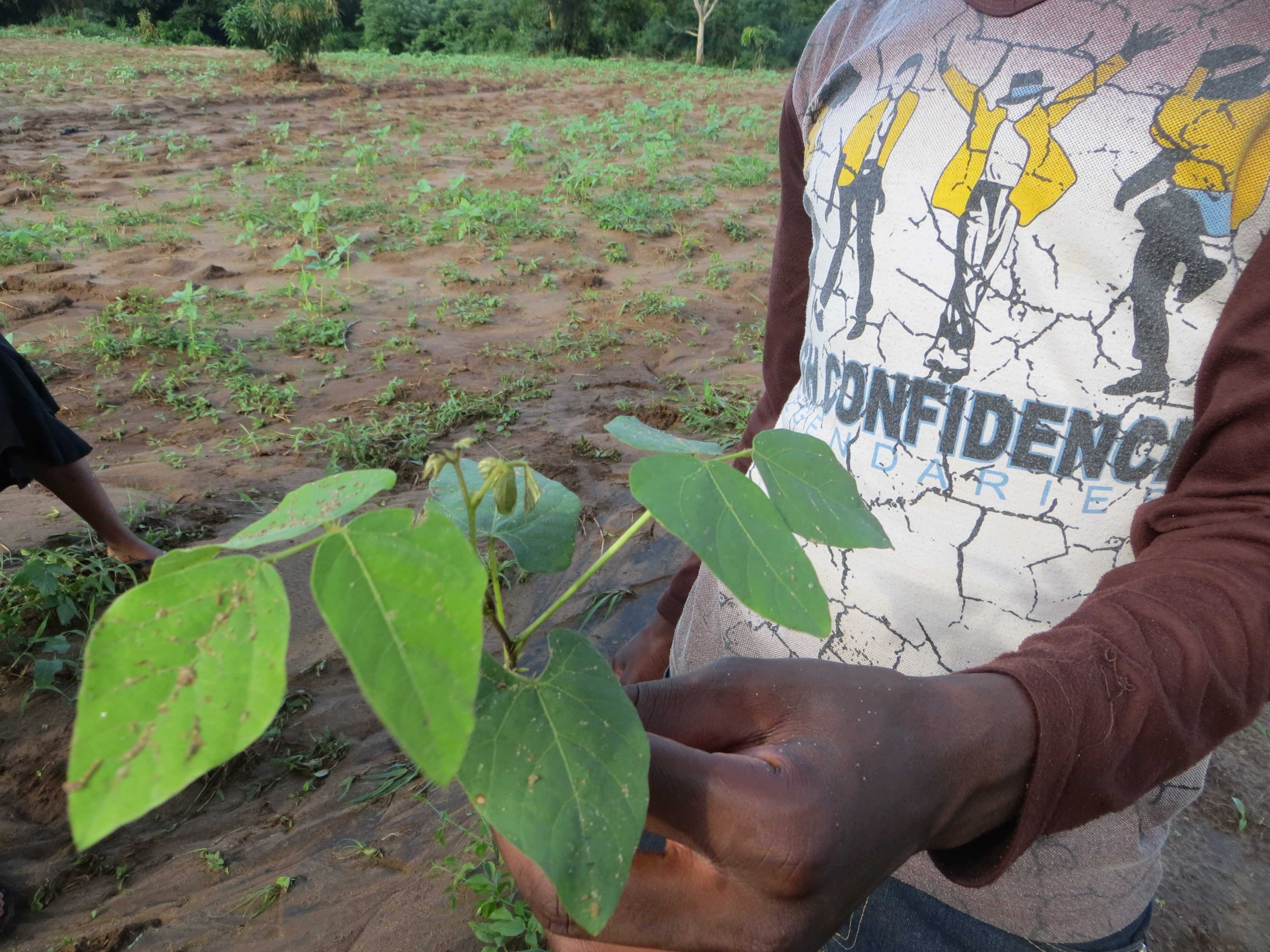
Prisca showing her sunflower training plot

Prisca viser henne solsikke planter

Fire av de eldste medlemmene fikk tidlig i Januar 2014 støtte fra Norge til å gå videre på skole. Ved Kibaha yrkessenter studerer to av dem jordbruk og dyrehold og to skredderi og design. Når de har vært tilbake på besøk i Mgeta viser de stor kunnskap som de gjerne deler med de andre medlemmene. Målet er at flere som gjør det bra på ungdomskolen skal få mulighet til videre yrkesutdanning.

Den nye sygruppen i Mgeta

Den nye sygruppen i Mgeta

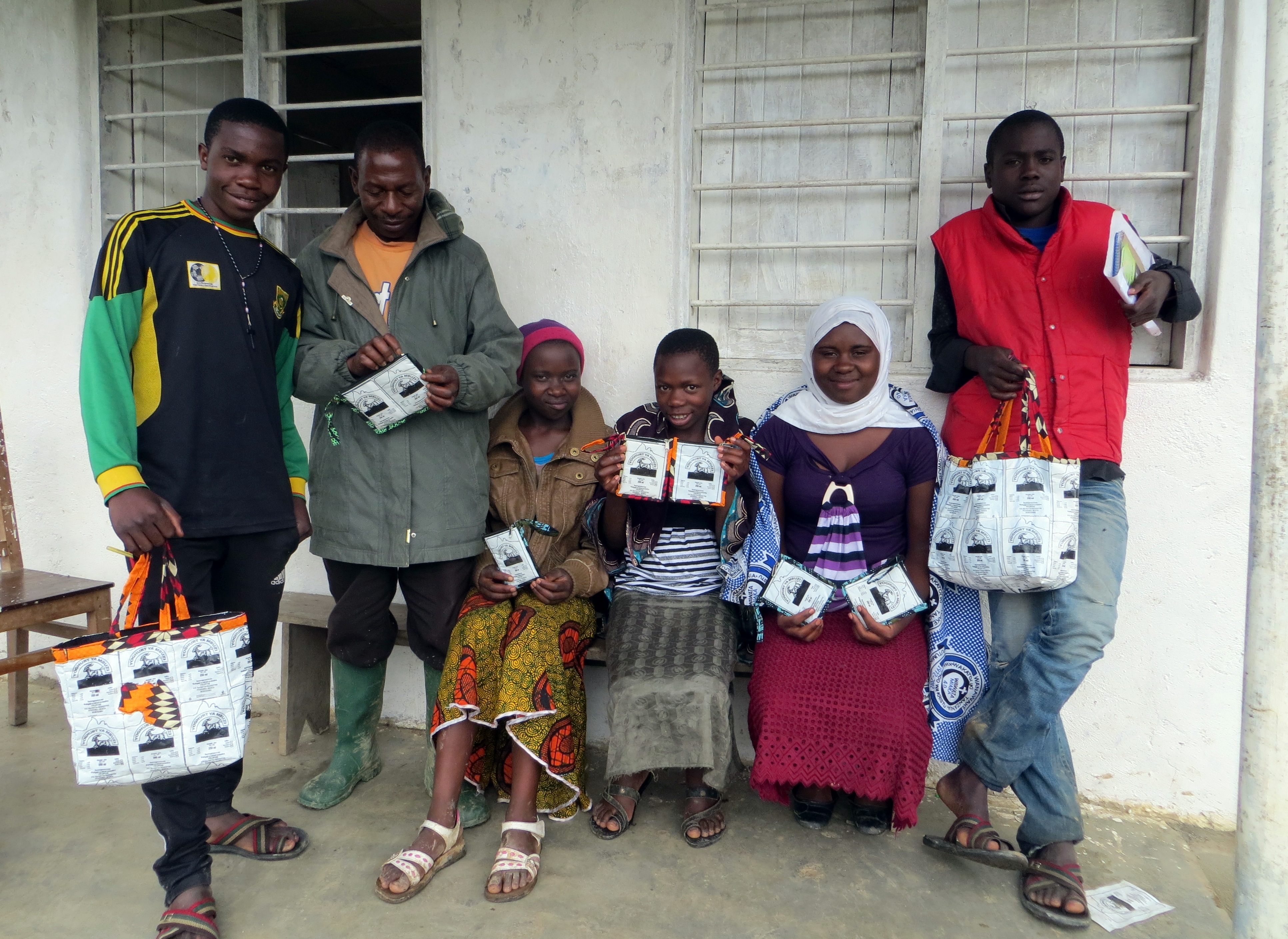
Noen av ungdommene har vært med å starte en sy gruppe hvor de syr små pengepunger og clutchvesker av de brukte yoghurtplastposene slik at det ikke blir så mye søppel liggende rundt. Å lære å sy på symaskin gir dem en nyttig kunnskap for resten av livet, og ikke minst en viktig ekstra inntekt da de selger veskene til besøkende i Mgeta. Målet til gruppen er å lage gode kvalitetsvesker som de kan selge til turister og andre som er interesserte i Mgeta og arbeidet deres.

Som I 2013 ville vi også I 2014 bringe fokus på viktigheten av å drikke melk, og to store promoterings aktiviteter ble satt i live. I mai/juni ble det holdt flere dager med promotering av yoghurt laget av Twawose.

Twawoses promoterings bil

Twawoses promoterings bil

I følge av en pick-up med store bannere og livlig musikk besøkte Twawose og gjester bestående av landsby ledere, barneskole lærere og barneskole elever fem landsbyer, i tillegg til Morogoro by. Informasjon ble gitt, taler ble holdt og masse yoghurt ble gitt ut til de oppmøtte, mange som fikk prøve geite yoghurt for første gang.

World school milk day in Mgeta

World school milk day in Mgeta

Onsdag 24 september feiret vi også verdens skolemelkdag i Mgeta. Elevene fra Nyandira og Tchenzema barneskole sto for underholdningen foran de over 1000 menneskene som deltok i feiringen. Dagen ble en stor suksess hvor mange små og store allerede har begynt å glede seg til neste års feiring.

I år har vi også hatt en del besøk av studenter fra Norge. Ikke de to gruppene med studenter fra Norges universitet for biovitenskap (NMBU) har vært på besøk i Mgeta, men også en klasse fra Steinerskolen Moss. I flere dager bodde de i Mgeta og var på besøk hos flere av ungdommene med geiter.

Vi gleder oss til å starte det nye året i Mgeta hvor vi fortsetter på de mange aktivitetene vi har satt i gang. Vi jobber også med å forbedre bloggen slik at den skal komme på engelsk og gi bedre informasjon for de som ønsker å vite hva vi jobber med og vil følge de ulike aktivitetene våre.

Godt nyttår fra oss og en stor hilsen fra vakre Mgeta!

Beautiful Mgeta

Vakre Mgeta

Publisert i Årsrapport | Legg igjen en kommentar

Happy new year from Mgeta!

We would like to wish all our project supporters a very happy new year!

Another exciting year in Mgeta has passed. During the year we have continued with the school yoghurt programme at Nyandira primary school.

Prøvesmaking på Tchenzema barneskole

Yoghurt tasting at Tchenzema primary school

We have also started at a new school, Tchenzema primary school, after a request from the school itself . The participation in Nyandira is unfortunately still low, but in Tchenzema eager teachers, school board members and village leaders are driving the programme forward. The aim for 2015 is to further increase participation in both schools, but special attention will be placed at Nyandira. We have been working continuously to increase participation here, but will do a new evaluation on how to arrive at a satisfactory level.

The school goat project at Kikeo primary school is doing well as always. In the spring we also supported Lukunguni primary school with goats after their headmaster applied for assistance.

Den vakre utsikten til Lukunguni

The beautiful view of Lukunguni village

They have received 10 goats and the whole village have learned a lot about goat keeping as a result of the school goat programme. Several of the goats have already had kids so it seems the goats are really enjoying their time in this beautiful village far up in the Uluguru mountains.

Right before Christmas another round of goats were given to vulnerable youth in Mgeta, this time in Bunduki village. The youth which had previously received goats were the ones leading this round, showing both how much they have learned from being part of this project and their eagerness in passing their knowledge on to others. Some of them are also trying their hand at small business and are taking up micro-loans we have made available in a new pilot micro-finance project. One of the members has for instance started rearing chicken.

Four of the oldest members got funding from Norway and the chance to continue their education in January 2014.

Prisca showing her sunflower training plot

Prisca showing her sunflower training plot

At Kibaha vocational training centre two of them are studying agriculture and livestock keeping while the other two are studying tailoring and design. The times they have been back to visit in Mgeta they have shown great new knowledge which they gladly pass on to the other members. The goal for the future is that more of the members will be given the opportunity for further studies, and to learn a craft, which will benefit both them and their community.

Some of the other young goat keepers are part of a new sewing group, which makes small handbags and clutches out of used yoghurt sachets. In this way waste from the yoghurt bags is reduced.

Den nye sygruppen i Mgeta

The new sewing group in Mgeta

Learning to sew using a sewing machine is a valuable skill they can use for the rest of their life, and not least making these handbags provide them with an extra income as they are currently sold to visitors to Mgeta and elsewhere. As the quality of the bags improve the future goal of the group is to be able to sell the bags to tourists and people interested in the work they are doing in Mgeta.

As in 2013, this year we also wanted to promote the importance of drinking milk to the local community. First, in May/June, several days of promotion were done by Twawose.

Twawoses promoterings bil

Twawoses promotion car

World school milk day in Mgeta

World school milk day in Mgeta

With the company of a pick-up with big banners and lively music, Twawose and their invited guests of village leaders, primary school teachers and primary school pupils, visited five villages, in addition to Morogoro town. Information was given, speeches were held, and plenty of yoghurt were distributed to the audience, many of which were trying goat yoghurt for the first time. Wednesday the 24th of September we also celebrated the world school milk day in Mgeta. Pupils from Nyandira and Tchenzema primary school were in charge of the entertainment and they sang and danced in front of over 1000 people who came together for the day. The event turned out to be a great success and many people are already looking forward for next year’s celebration.

This year we have also had a lot of visitors from Norway. Besides the two student groups from the Norwegian university of Life Sciences (NMBU) a school class from Moss Waldorf school also visited Mgeta, staying for several days and visiting many of the vulnerable youth.

We are greatly looking forward to the new year in Mgeta, where we will continue to focus on the many activities we have initiated. We are also working on improving our blog and translating the content into English so that more people are able to get the information and are able to follow our activities as they are updated.

Happy new year from us, and a big greeting from beautiful Mgeta!

Beautiful Mgeta

Publisert i Årsrapport | Legg igjen en kommentar

World School Milk Day Celebration 24th September 2014

The World School Milk Day is a rising and popular celebration in the world today. The aim is to teach children the importance of milk in an entertaining way. Children, particularly those attending school, are involved in fun activities that teaches them the benefits of milk and encourages them to include it in their diets. Currently, about 40 countries celebrate this day annually. Nyandira and Tchenzema Primary Schools also used this opportunity to celebrate their School Yoghurt Programs. Pupils sang songs, danced, and acted out plays.

Over 1000 people participated in this celebration and pupils and teachers of Nyandira, Tchenzema and Kibuko Primary Schools, a few parents, as well as local government leaders such as the Tchenzema Ward Education Officer, were present. Kibuko Primary School does not have a milk-feeding program, but they have dairy goats that are kept at the school. They were invited so that they could learn more about the significance of milk to human health, and also to introduce the school milk program idea to them.

IMG_0794 IMG_0787

The teachers of the three schools, some of the village leaders, plus some parents decided that the event should last for the whole day. This they wanted firstly, because this was the first time they were hearing about such a celebration and secondly, because they are now truly realizing that goat milk has played a significant role in their pupils´ lives, especially in regards to class attendance and pupils´ performance. The headmaster of Tchenzema Primary School for instance suggested that if all pupils are involved in the preparations of the event and attend such a function, it would encourage those who have never purchased yoghurt to remind their parents to start doing so. He went ahead to declare that his aim by the end of the year is to have at least 90%, or if possible even 100%, of his pupils drinking yoghurt every week.

The Headmasters of Tchenzema and Nyandira Primary Schools opened the World School Milk Day celebration. Colleague Ritah explained to the crowd what the day was all about and why we were celebrating while Twawose talked about the school yoghurt program; how, when and why the School Yoghurt Program started and what the status is for the yoghurt consumption. Colleague Solomon continued by showing a case study of another school milk/yoghurt program in the north of Tanzania, which he had visited, and how successful that one was. Finally, the Tchenzema Ward Education Officer further explained the significance of milk to the pupils and introduce to the present parents how easy it can be to provide an extra serving of proteins to their children through the school milk program.

Then, what was for many the highlight of the event started: the student led entertainment. The children had formed groups and each group had their own presentation. Some groups sang songs, others danced while others again acted out shot plays they had made. All the children´s activities related to milk and its importance. Some focused on parents’ reactions when the children came to ask for money to purchase goat yoghurt, while others showed the impact goat yoghurt had had on those drinking it. It was all very entertaining, clearly displayed from the crowd by their applause, screaming, laughing and other gestures. In total, nine groups performed. As a price for best contribution the winning group (from Tchenzema) received one month of yoghurt at school for free, which they will get once a week like the rest of the contributing pupils.

IMG_0793 IMG_0790 IMG_0782 IMG_0798

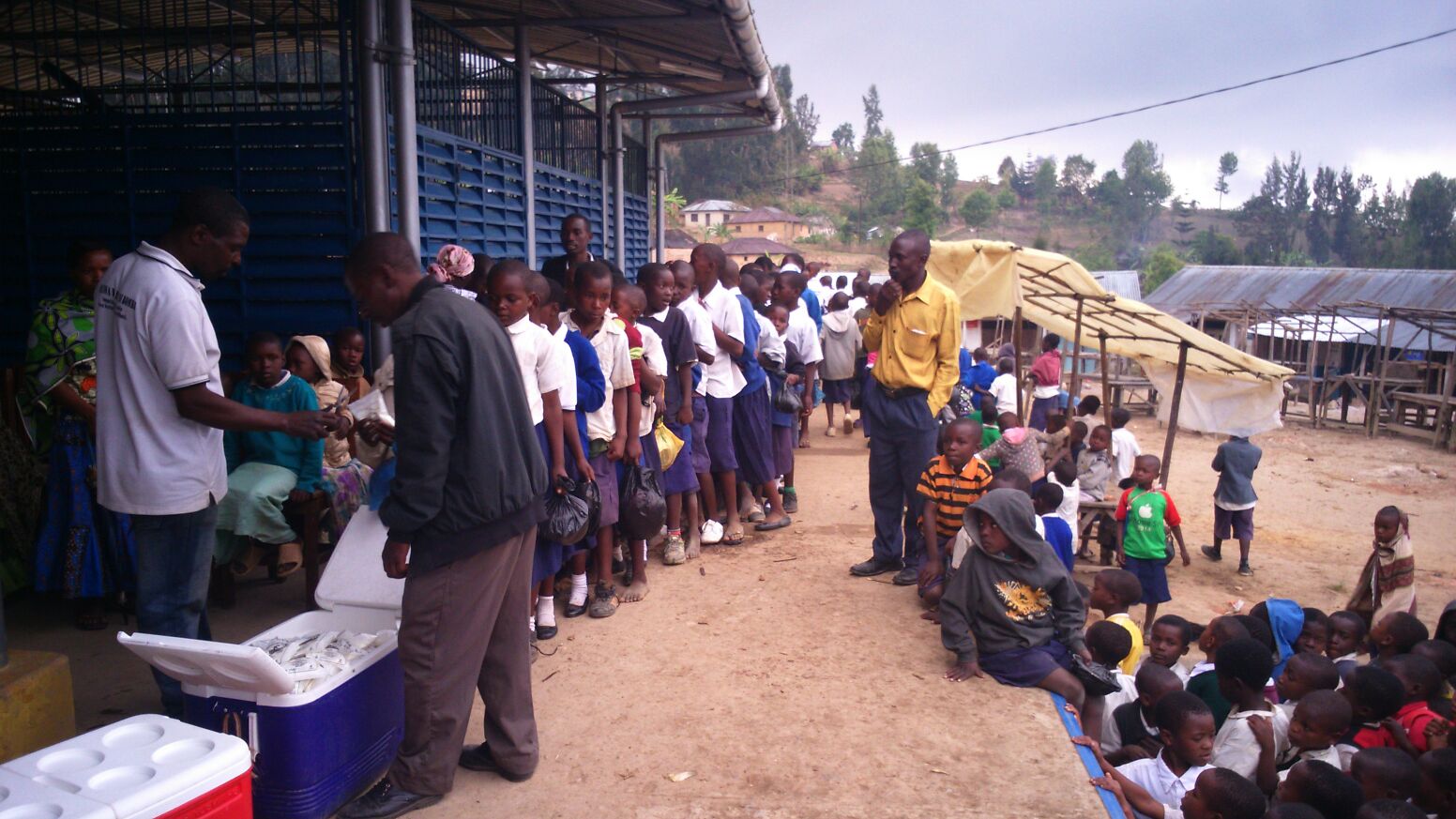
After the entertainment session, the pupils from all the three schools received free yoghurt or boiled fresh milk. You could see the happiness in their eyes when drinking it and one exclaimed how beautiful this day had been due to not only tasting the yoghurt, but since they got to learn more about its importance. To end the ceremony, all guests received free food, as it had been a long day and many had walked very long distances to participate. Everyone seemed cheerful and the teachers promised that they would try to celebrate the World School Milk Day every year in their respective schools so as to emphasize milk´s importance. The majority of the pupils also promised to remind and encourage their parents to purchase yoghurt for them every month. All in all the day was a great success.

IMG_0803 IMG_0801 IMG_0785 IMG_0783 IMG_0806 IMG_0805

Feil
Denne videoen finnes ikke
Publisert i Skolemat | Legg igjen en kommentar